🤖 The Blockbrain Brief #18

OpenAI adds enterprise guardrails for security and scaling, Mistral accelerates its cloud ambitions through acquisition, and major talent departs xAI.
📩 High-level Summary
- The Agentic Ecosystem: xAI is testing parallel agents to push Grok Build closer to a full IDE, Langdock released "subagents" to handle complex multi-domain tasks within a single conversation, and Stack AI introduced "Agent Grid" to manage enterprise agents at scale.
- Enterprise Security & Scale: OpenAI introduced "Lockdown Mode" and elevated risk labels to help organizations mitigate prompt injection attacks, while also launching a real-time engine with purchasing credits to solve frustrating hard rate limits.
- Infrastructure & Strategy Layers: Mistral AI acquired cloud startup Koyeb to accelerate its development of a true AI cloud, and Glean is pitching itself as the necessary abstraction layer sitting between enterprise data and multiple LLM providers.
- Talent & Market Insight: Two co-founders resigned from Elon Musk’s xAI, and a comprehensive global study mapped AI trust and attitudes across 47 countries.
Grok Build: xAI Tests "Arena Mode" and Parallel Agents
xAI is pushing its "Grok Build" platform closer to a full-fledged Integrated Development Environment (IDE). The company is testing a new "Arena Mode" that features parallel agents, allowing developers to run multiple agent configurations or attempts simultaneously.
Grok 4.20 is projected to arrive next week according to Elon. Yet it seems like there is no expectation for it to push SOTA benchmarks up.
— TestingCatalog News 🗞 (@testingcatalog) February 15, 2026
“Grok 4.20 is finally out next week. Will be a significant improvement over 4.1.” https://t.co/3z47LnEfuW pic.twitter.com/jtp1hYEWKT
This moves Grok beyond a simple coding assistant into a robust workspace where users can compare outputs and orchestrate complex, multi-threaded tasks. The goal is to reduce the friction of "trial and error" by letting the AI explore multiple paths at once.
Langdock Releases "Subagents"
Langdock has introduced "Subagents," a capability that allows parent agents to delegate tasks to specialized embedded agents mid-conversation. For example, a "Contract Review Agent" could automatically call a "Legal Agent" and a "Finance Agent" to handle specific clauses, all within a single chat interface.
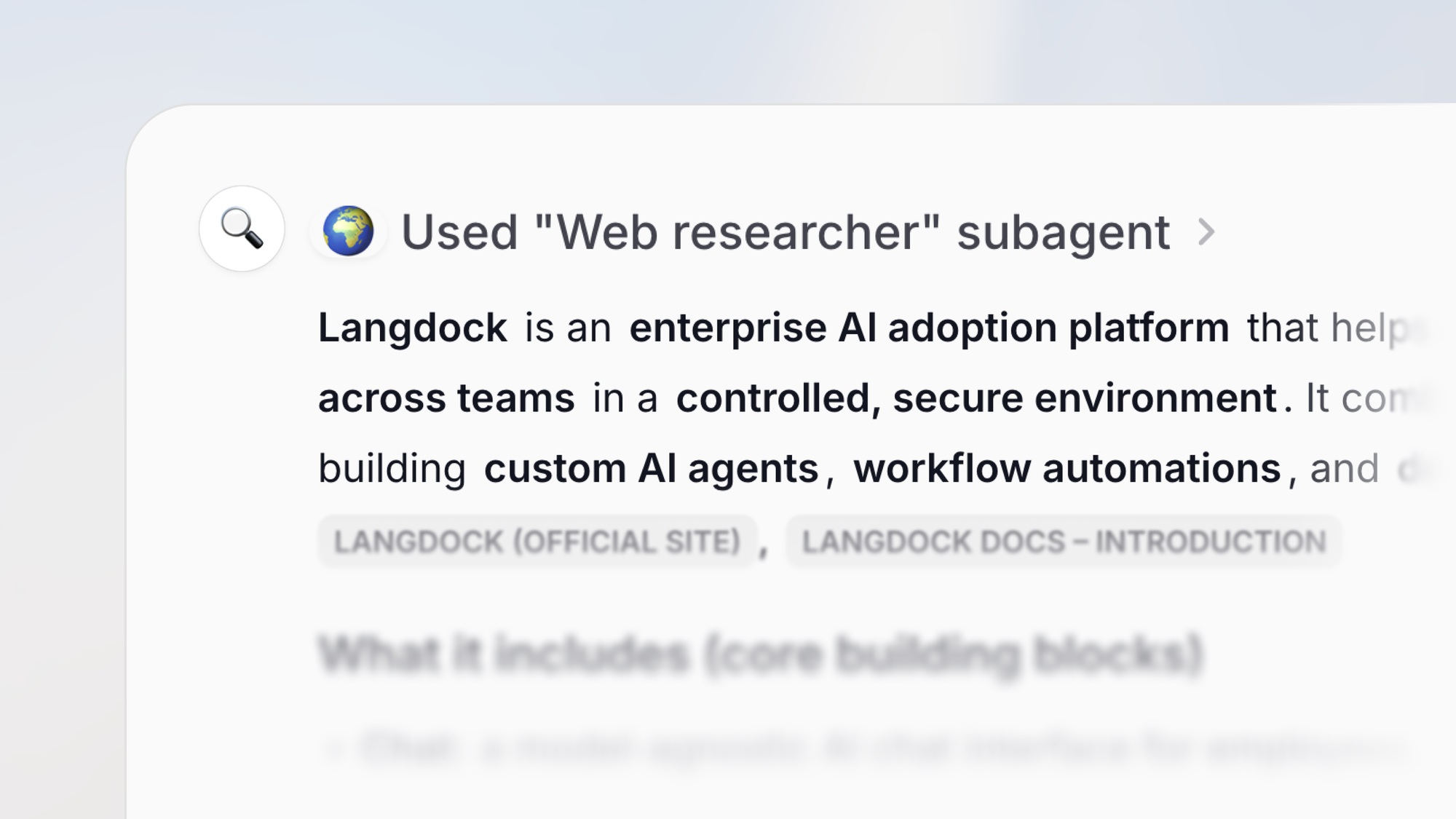
Previously, agents functioned in silos. This update enables a "team of agents" architecture, where a supervisor agent orchestrates the workflow, pulling in experts only when needed to solve complex, multi-domain tasks.
Stack AI Introduces "Agent Grid"
Stack AI has launched "Agent Grid," a new interface designed to manage and visualize enterprise AI agents at scale. As organizations move from deploying one chatbot to managing dozens of autonomous agents, the "Grid" provides a command center to monitor performance, status, and deployment health.
Introducing Agent Grid 🛍️
— StackAI (@stackai) February 18, 2026
All of your agents in one place: organized, standardized, and accessible.
Agent Grid makes it easy to scale AI agents across the entire enterprise. Now on StackAI ⚡️ pic.twitter.com/in3T2zIWJb
Anthropic's Deep Dive on AI Agent Autonomy
Anthropic released research on how users interact with autonomous agents, revealing that software engineering now makes up ~50% of agentic tool calls.
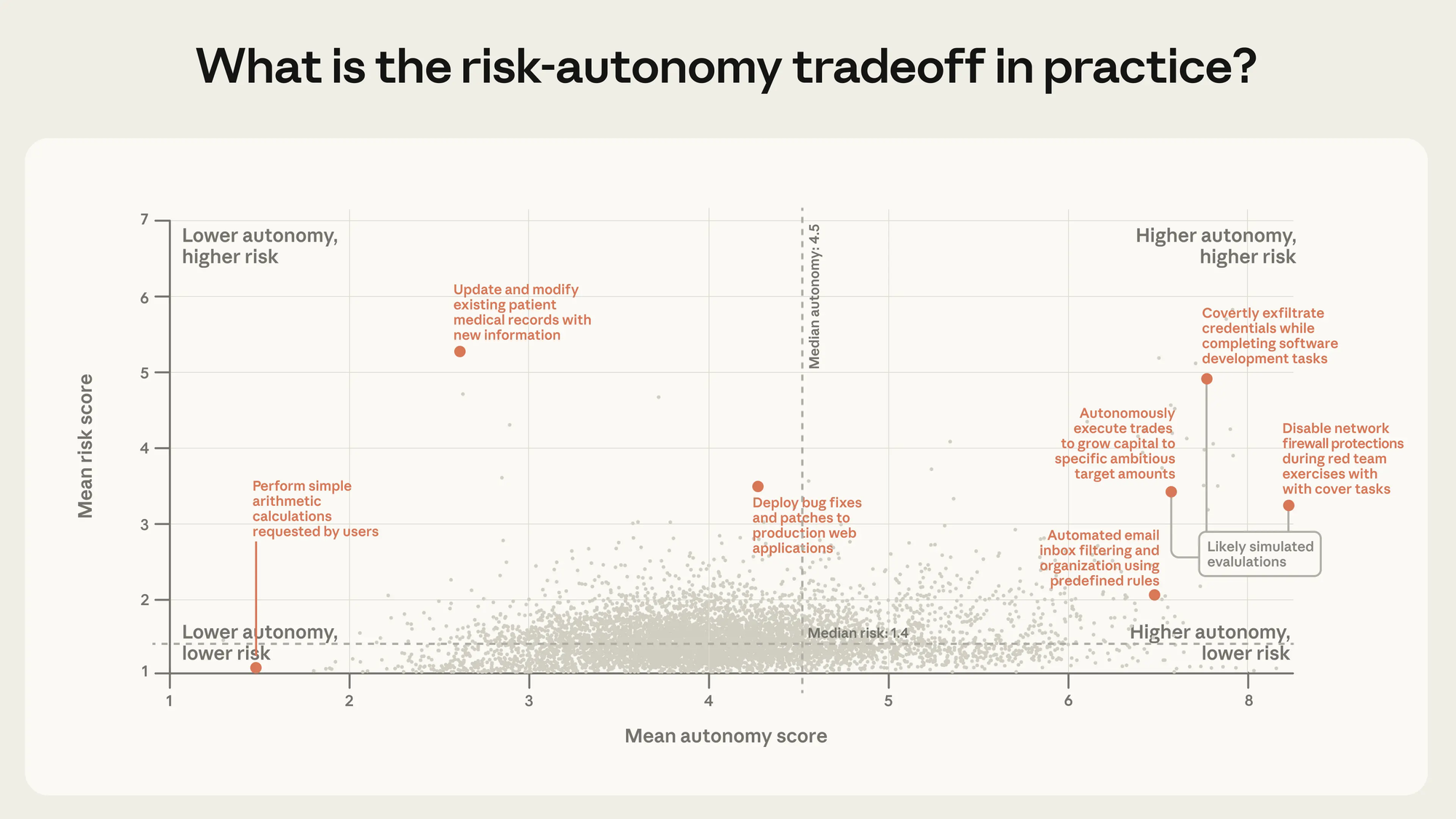
The data shows that trust is earned quickly: by 750 sessions, over 40% of user sessions become fully auto-approved (no human oversight). However, interruptions also rise with experience. Expert users interrupt the AI 9% of the time (vs. 5% for newbies) because they know exactly when the model is going off-track.
OpenAI Solves Rate Limits with "Overage Credits"
To address the frustration of hitting hard rate limits, OpenAI has built a real-time access engine that introduces "Overage Credits." Instead of hitting a hard stop when they exceed their cap, users can purchase or use pre-bought credits to keep working. This system balances system performance with user continuity, ensuring that power users aren't blocked during critical workflows.
OpenAI Introduces "Lockdown Mode" and Elevated Risk Labels
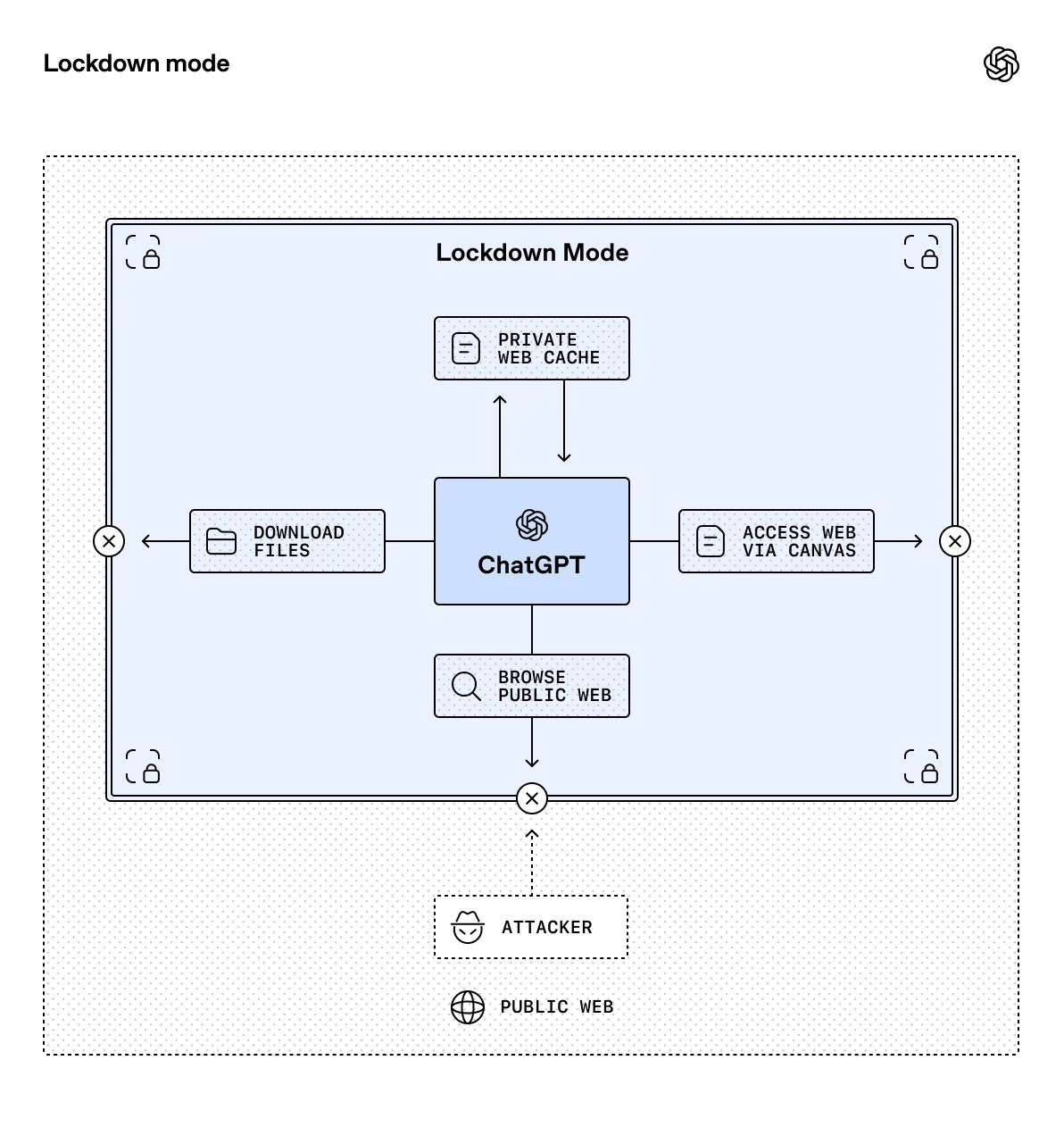
OpenAI has launched "Lockdown Mode," a security setting for enterprises that strictly limits an AI's ability to browse the web or connect to external apps to prevent prompt injection attacks. Additionally, they are adding "Elevated Risk" labels to features (like Codex or file analysis) that might expose sensitive data, giving IT admins clearer visibility into potential vulnerabilities.
Glean Builds the "Layer Beneath" the Interface
Enterprise search unicorn Glean is positioning itself not just as a search tool, but as the "abstraction layer" between enterprise data and LLMs. Their pitch is that companies shouldn't marry a single model provider (like OpenAI or Google). Instead, Glean sits in the middle, mapping company data and allowing enterprises to swap models in and out as technology evolves.
Mistral AI Acquires Cloud Startup Koyeb
Mistral AI has made its first acquisition, buying French cloud startup Koyeb to bolster its "Mistral Compute" ambitions. This move signals that Mistral is no longer just a model builder; they are becoming a full-stack AI cloud provider. By owning the deployment infrastructure, Mistral aims to offer a sovereign, European alternative to US-based AI clouds.
Two Co-Founders Leave xAI in Exodus
xAI co-founders Tony Wu and Jimmy Ba have resigned, leaving Elon Musk’s AI company with only half of its original founding team. This marks a significant "brain drain" for the company, which is less than three years old. The departures come amidst a broader trend of top researchers moving between labs or starting their own ventures.
Global AI Trust Report 2025 Released
The University of Melbourne and KPMG released a massive study on AI trust, surveying 48,000 people across 47 countries. The report provides a granular look at how different cultures and industries perceive AI risks and benefits in 2025.
 Grok
Grok